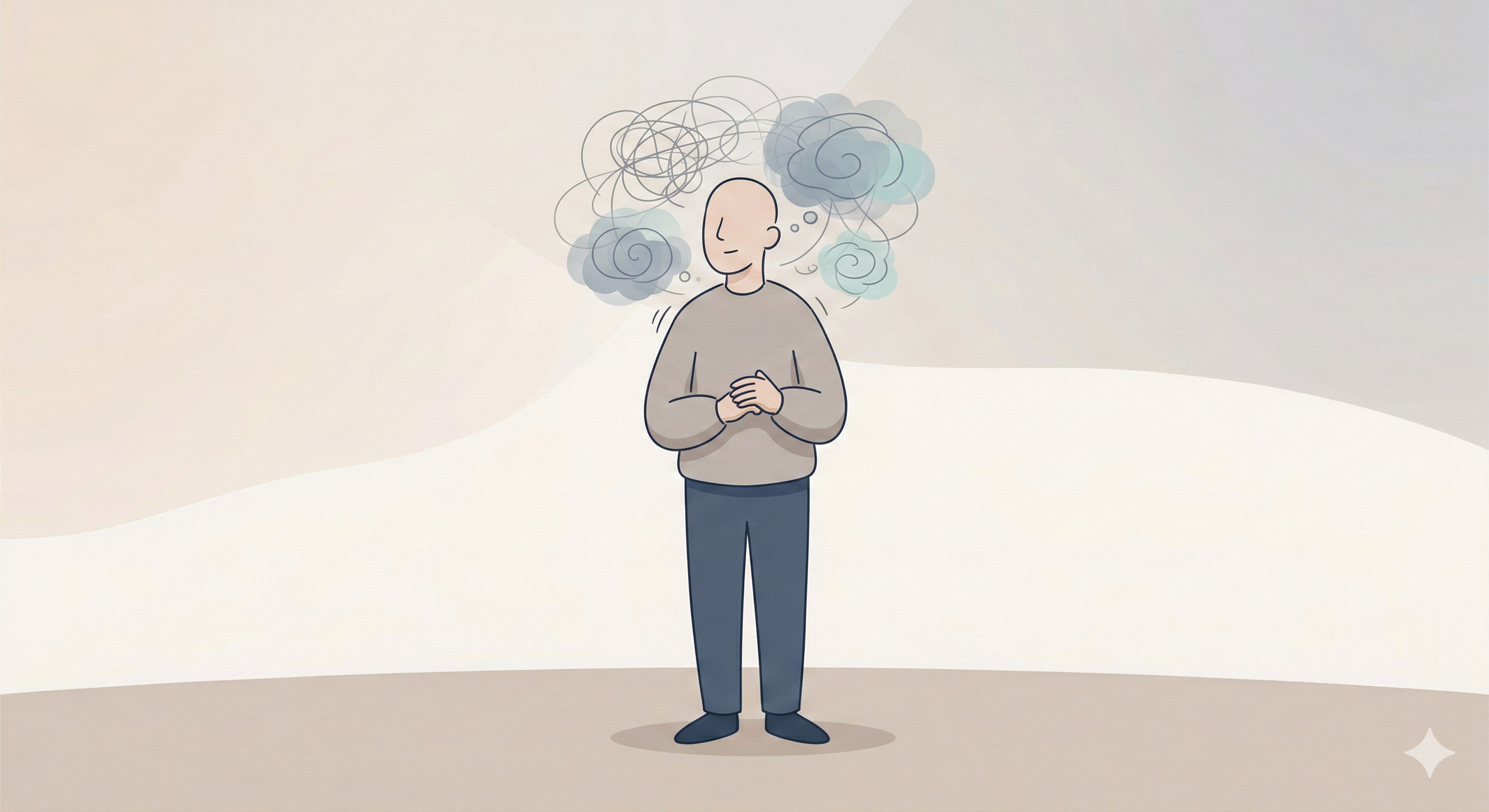
On the outside, everything looks fine.
You meet your deadlines. You show up for people. You handle responsibilities. People describe you as strong, reliable, and driven. You’ve learned how to function, perform, and keep moving forward, no matter what.
But internally, it’s different.
There are moments of emotional exhaustion you can’t explain. You overthink conversations. You struggle to switch off. Sometimes you feel disconnected, even in rooms full of people. And when things slow down, uncomfortable emotions rise to the surface.
This is more common than most people realize.
Many high-functioning individuals learned early in life that being capable was safer than being vulnerable. They became problem-solvers, caretakers, and achievers, not just by choice, but by adaptation. Functioning became a survival strategy.
Over time, this creates a quiet imbalance.
You become skilled at managing life externally, but internally, unprocessed emotions remain. Stress accumulates in the nervous system. Old wounds influence present reactions. Emotional needs are pushed aside to maintain stability and control.
From the outside, it looks like strength. But inside, it can feel like constant pressure.
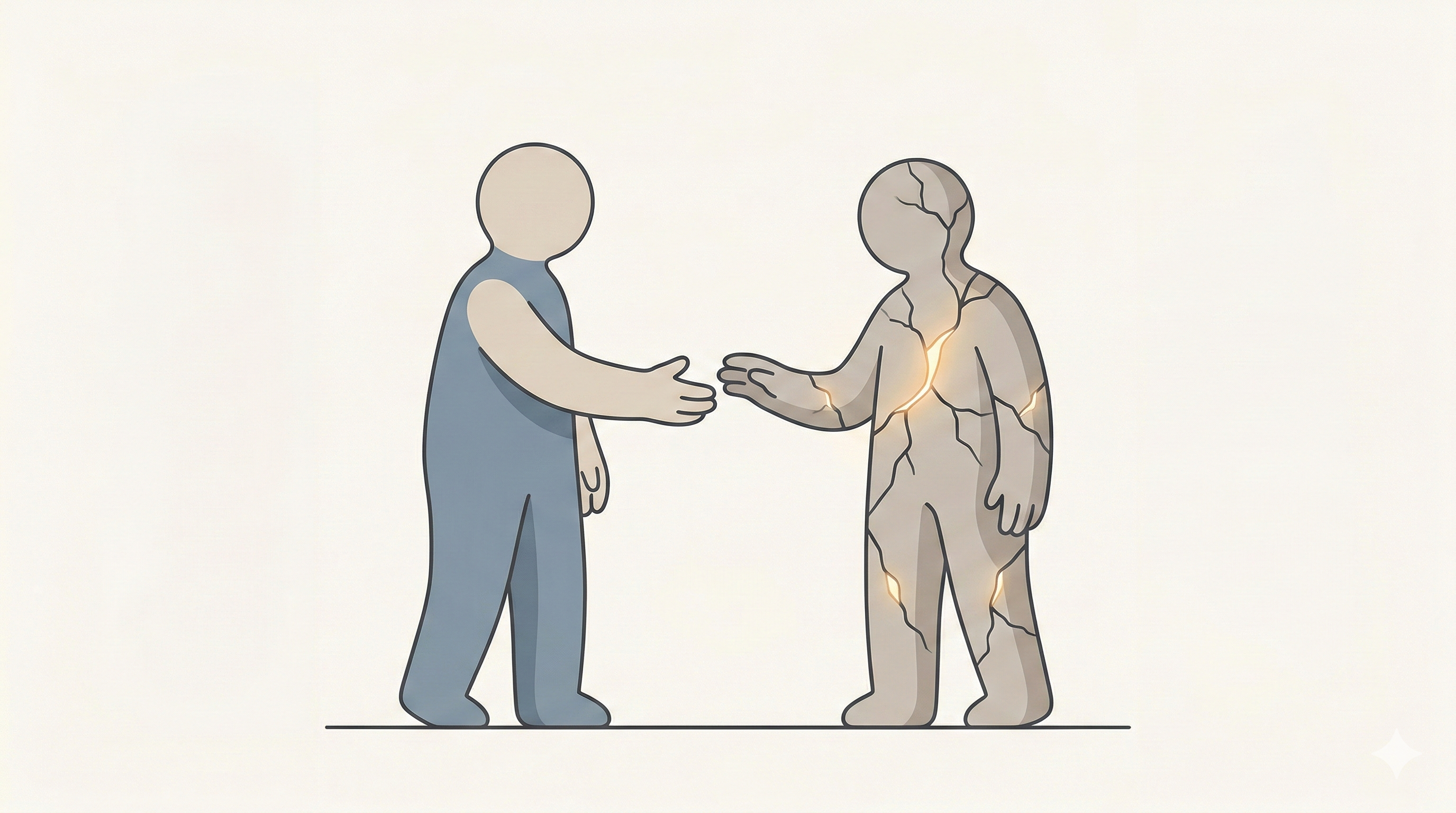
Therapy offers a space where you no longer have to perform.
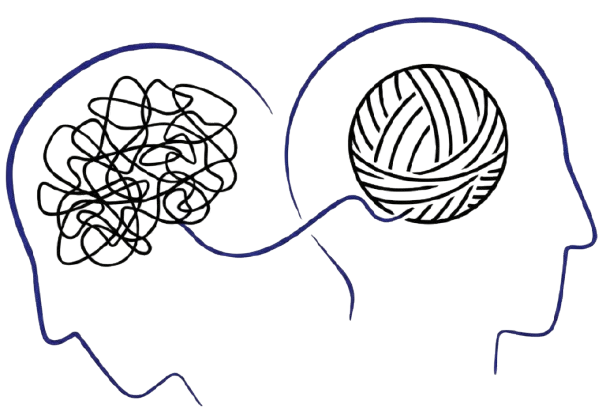
It allows you to slow down and understand what’s happening beneath the surface. You begin to recognize patterns, process past experiences, and reconnect with parts of yourself that were ignored or silenced.
This isn’t about becoming less capable.
It’s about becoming more whole.
When emotional clarity replaces silent survival, you don’t just function, you live with greater ease, healthier relationships, and a deeper sense of internal stability.
You don’t have to wait until things fall apart to begin. Sometimes, the strongest step forward is simply allowing yourself to be supported.