You may understand your past logically.
You know what happened. You’ve talked about it. You’ve tried to move on.
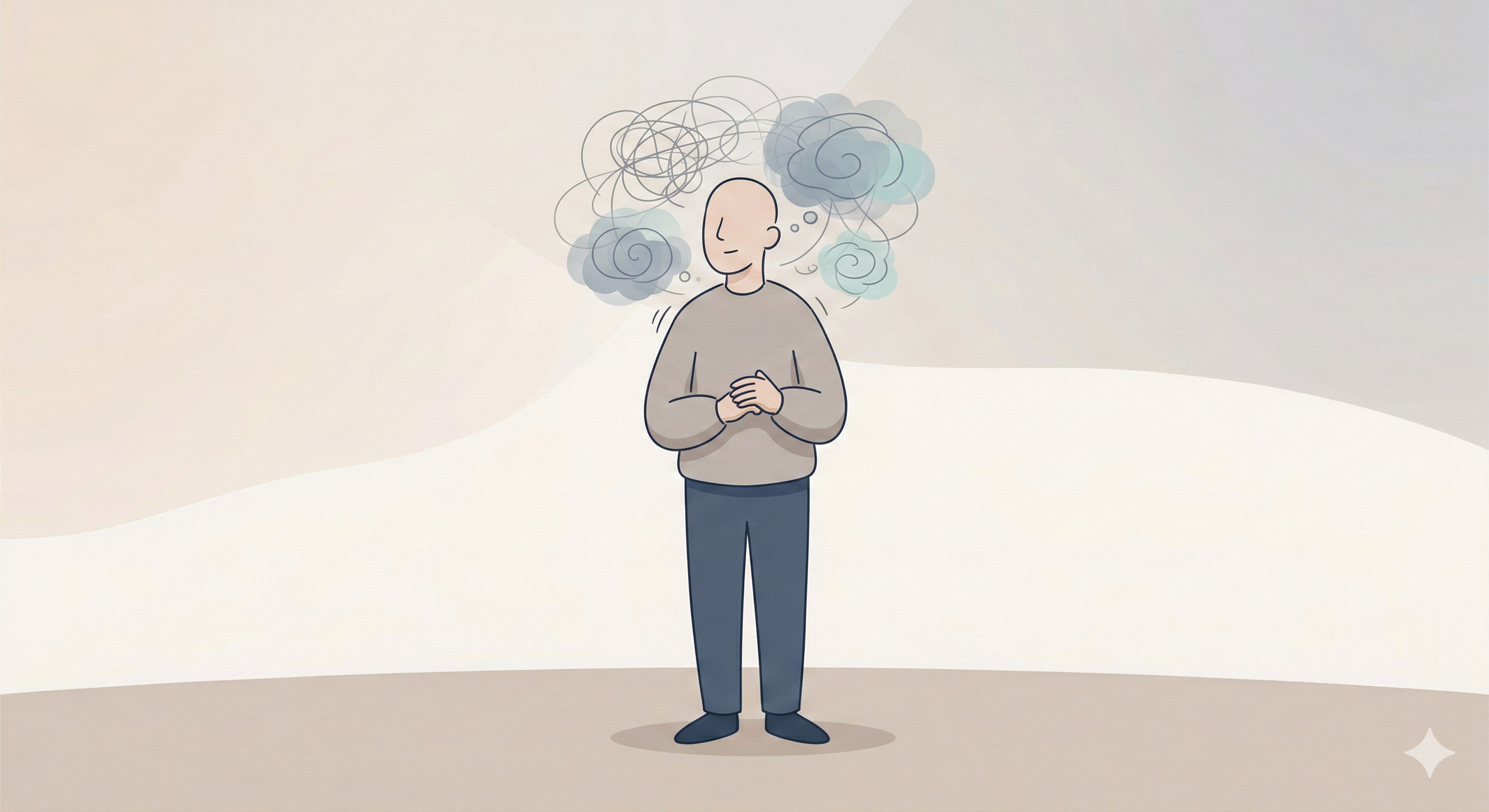
But somehow, your body still reacts.
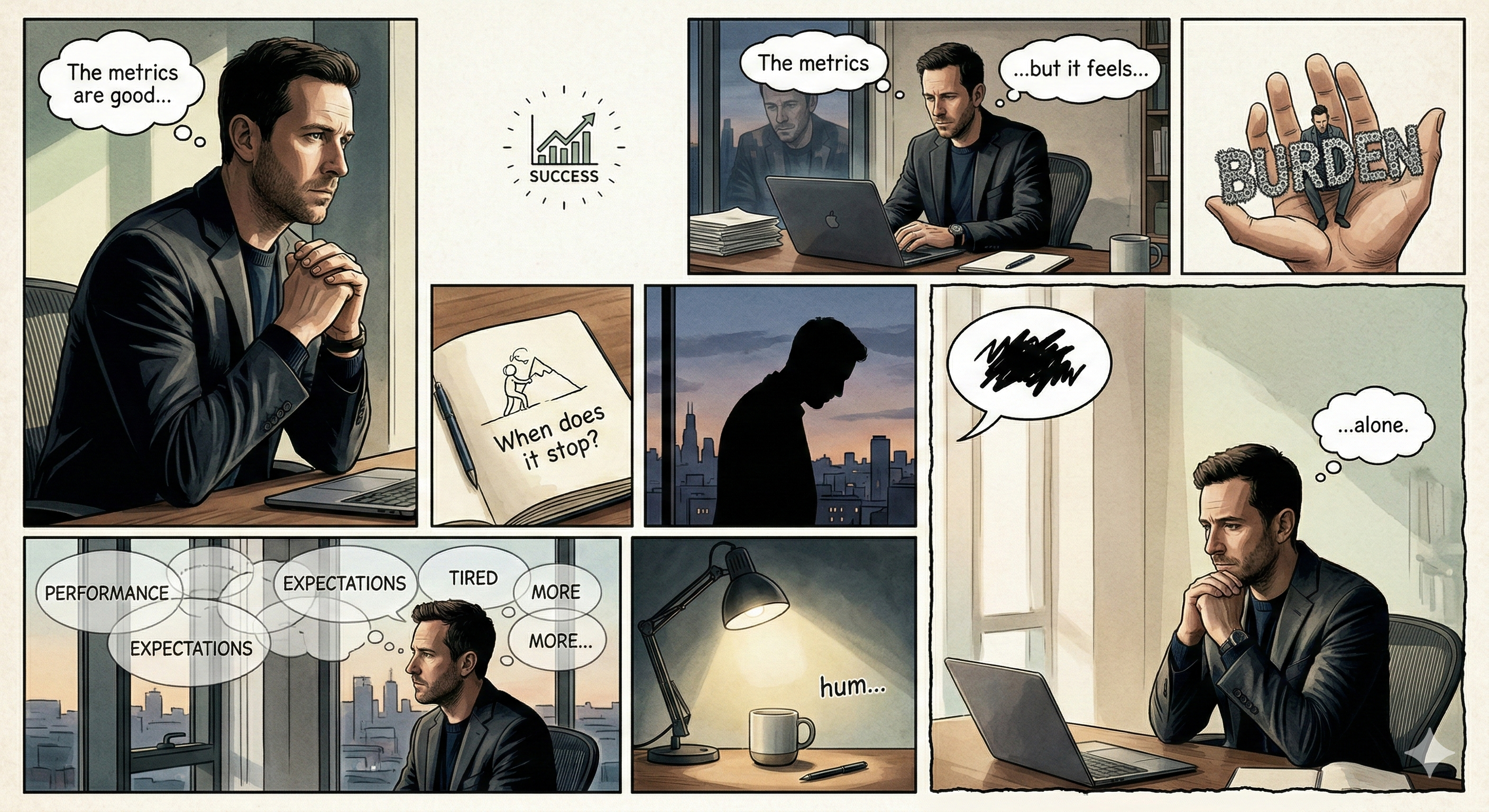
A tone of voice triggers anxiety. A situation brings unexpected fear. Certain memories still carry emotional weight, even when you know you’re safe now.
This happens because trauma is not stored only as a story. It is stored in the nervous system.
Traditional talk therapy focuses on helping you understand your experiences. This is important and powerful. But sometimes, understanding alone does not fully release the emotional charge connected to those memories.
This is where EMDR therapy becomes different.
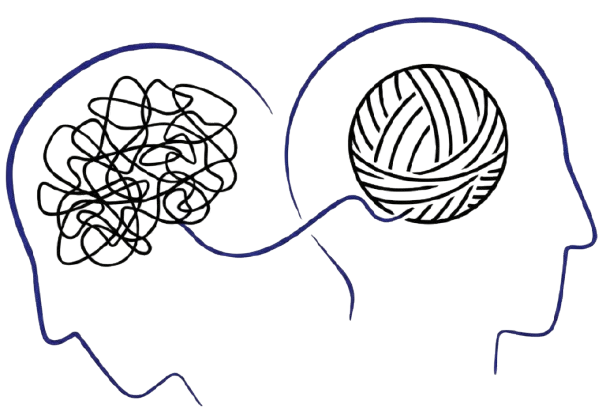
EMDR, which stands for Eye Movement Desensitization and Reprocessing, helps the brain process and release unresolved trauma. It works by activating the brain’s natural healing ability, allowing distressing memories to be reprocessed in a way that reduces their emotional intensity.
Instead of reliving the pain, your brain begins to file the memory as something that happened in the past, not something that is still happening now.
Over time, triggers lose their power. The emotional response softens. You feel calmer, safer, and more in control.
Many people notice changes faster than they expect. Not because the process is rushed, but because EMDR works directly with how the brain and nervous system store trauma.
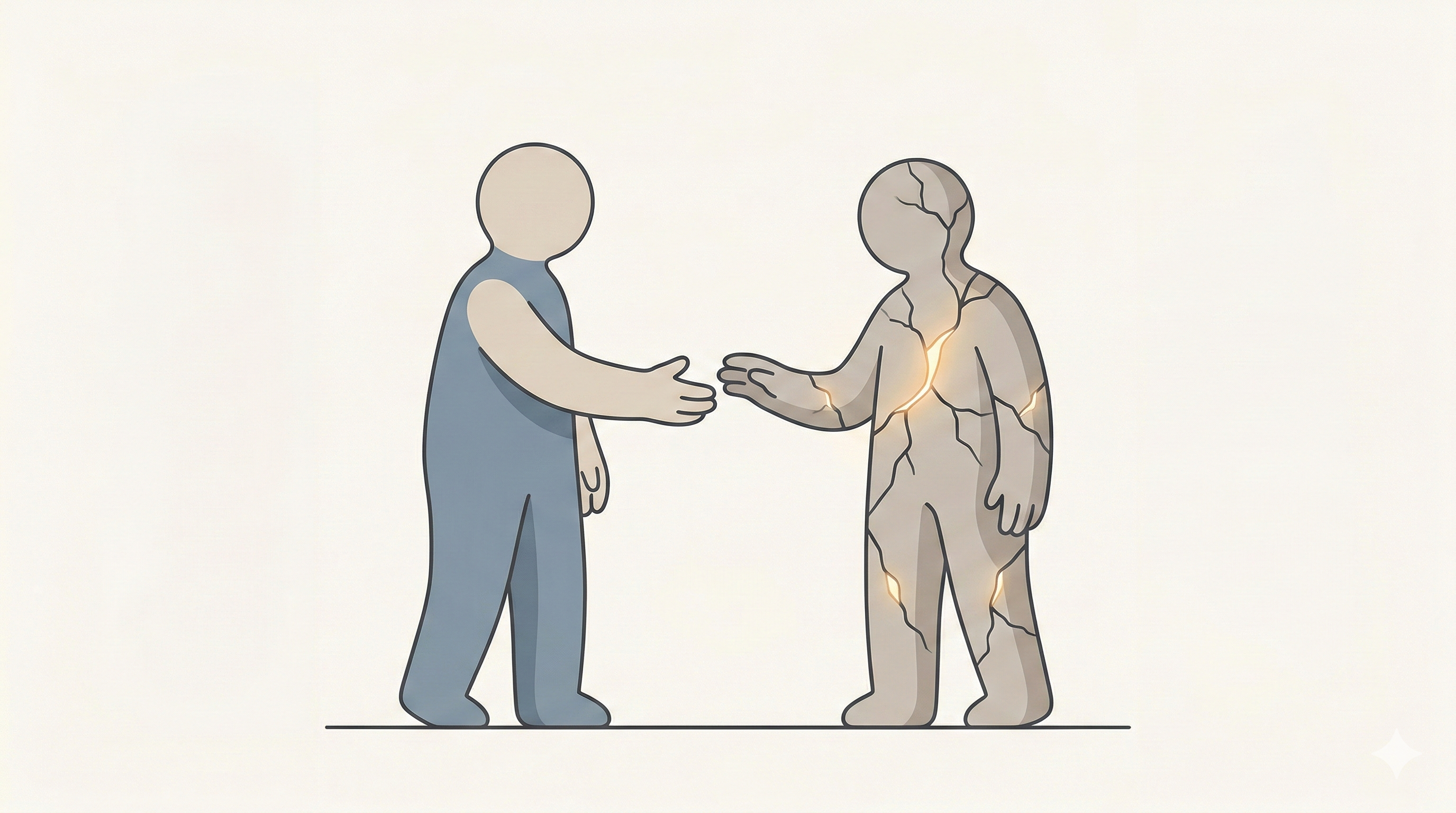
Healing does not mean forgetting what happened.
It means remembering without reliving.
EMDR helps create that shift, so your past no longer controls your present, and you can move forward with greater emotional freedom and stability.