You meet someone who feels safe. Kind. Present. Different from what you’ve known before.
At first, everything flows naturally. Conversations feel easy. You begin to open up. You allow yourself to trust.
And then, slowly, something shifts.
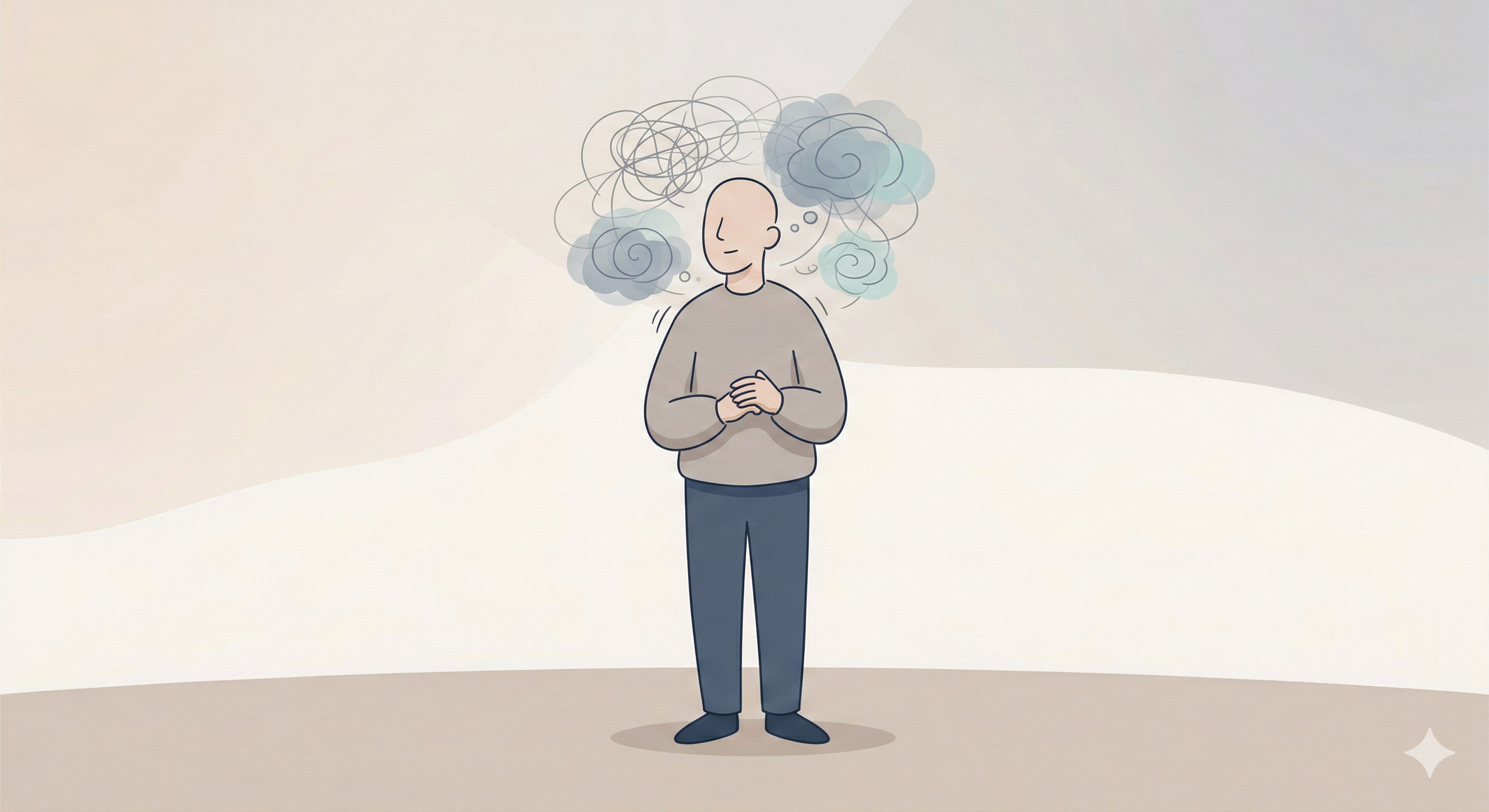
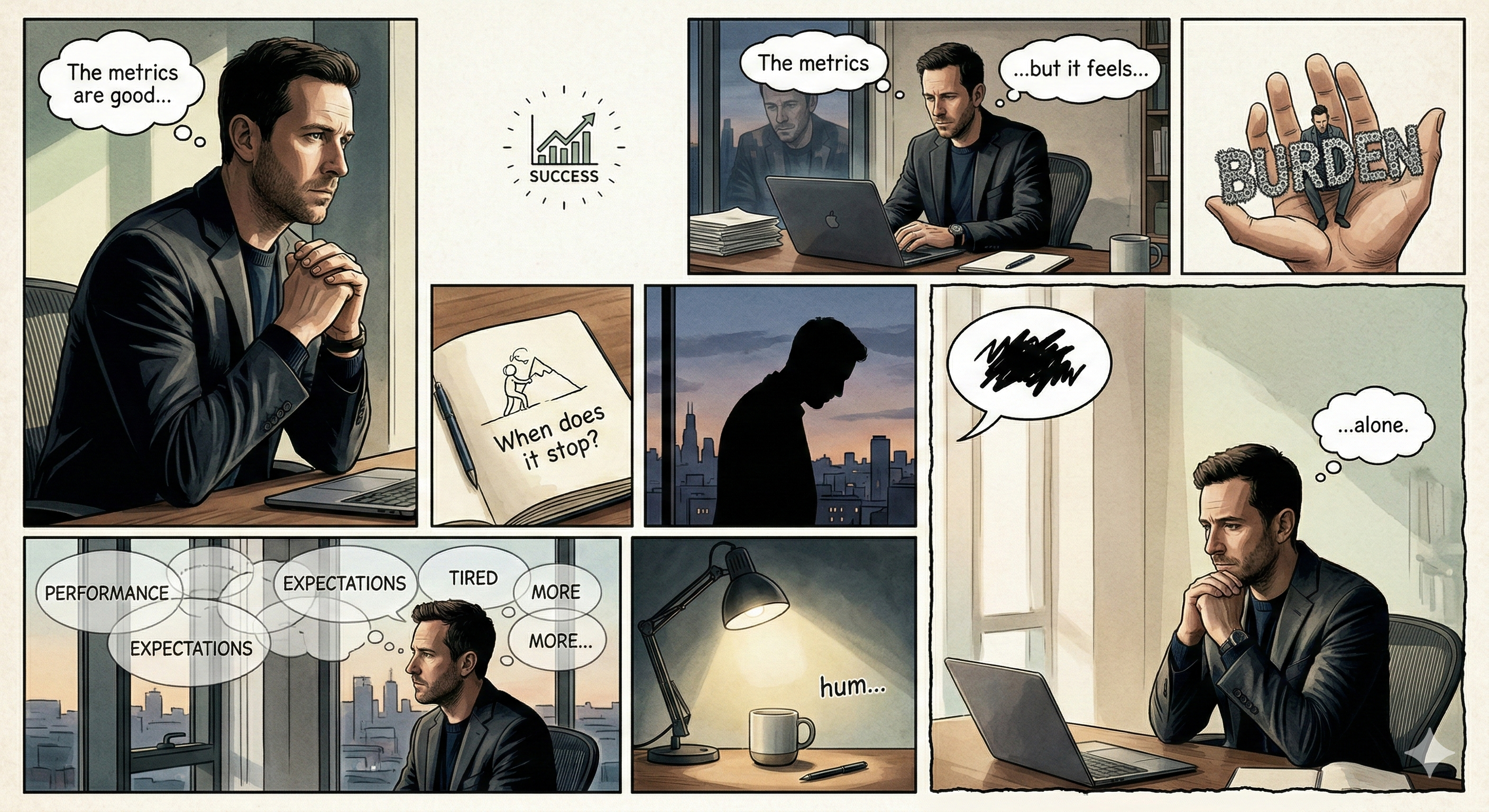
You start overthinking their tone. You wonder if they’re pulling away. Small misunderstandings feel bigger than they should. You may find yourself withdrawing, becoming defensive, or needing constant reassurance, even when nothing is actually wrong.
This isn’t a sign of weakness. It’s often a sign of history.
Childhood is where we first learn whether the world is safe, whether love is consistent, and whether our emotions are accepted or dismissed. When those early experiences involve neglect, unpredictability, criticism, or emotional absence, the nervous system adapts.
It learns to stay alert.
As an adult, this can show up in subtle but powerful ways. You may fear abandonment, even in stable relationships. You may struggle to fully trust, or feel uncomfortable depending on others. Sometimes, you may push people away, not because you don’t care, but because closeness feels unfamiliar or unsafe.
These reactions are not conscious choices. They are protective patterns formed long ago.
The mind and body remember what they experienced, even when you’ve moved on logically.
Healing begins with awareness.
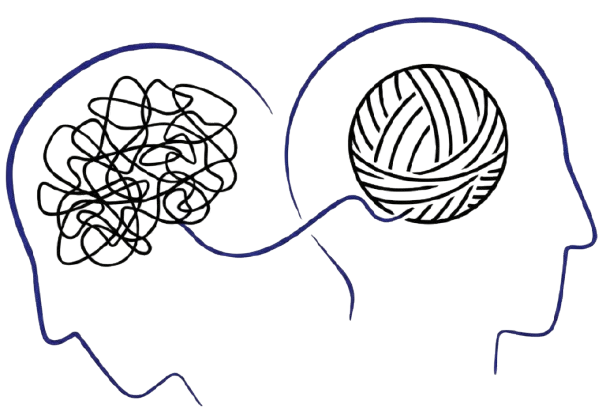
When you understand where these patterns come from, something shifts. You stop blaming yourself. You begin to respond instead of react. You learn that safety can be created, and that relationships do not have to repeat the past.
With the right support, it becomes possible to build connections that feel calm, secure, and real, not driven by fear, but grounded in trust.
Your past may explain your patterns. But it does not have to define your future.